
As the way we work continues to evolve at an unprecedented pace, one factor that organizations can no longer afford to overlook is the role of the workspace.
Today’s office is no longer just a place that supports day-to-day operations. It must be future-ready, capable of adapting to rapid changes in technology, work patterns, and employee behaviors. As a result, the workspace has become a strategic infrastructure that directly impacts people’s performance, work experience, and the long-term direction of the organization.
As we move into 2026, many organizations are facing the same fundamental question:
How should the workspace be designed to support an ever-changing future while remaining flexible enough to evolve alongside new ways of working?
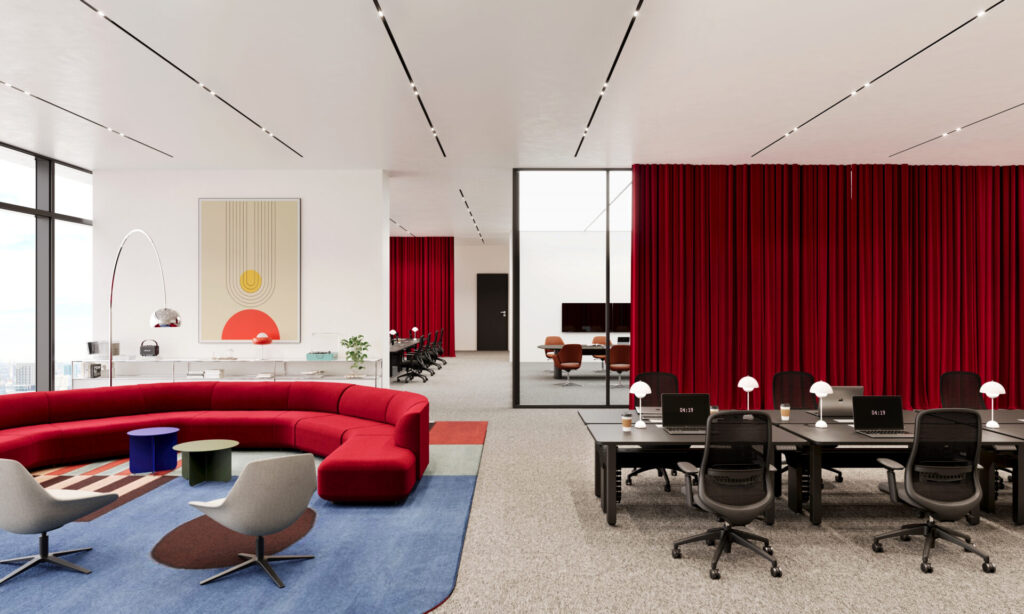
As a workspace solutions specialist, Rockworth has collaborated with organizations across a wide range of industries. Our approach does not begin with furniture or layouts alone. Instead, we start by deeply understanding how people actually work—so we can design spaces that are practical, adaptable, and capable of growing with the organization over time.
From this experience, Rockworth has identified 5 key workspace trends for 2026. These are not short-term design trends, but strategic directions that designers, organizations, and business leaders should consider when planning and making long-term decisions for sustainable growth.
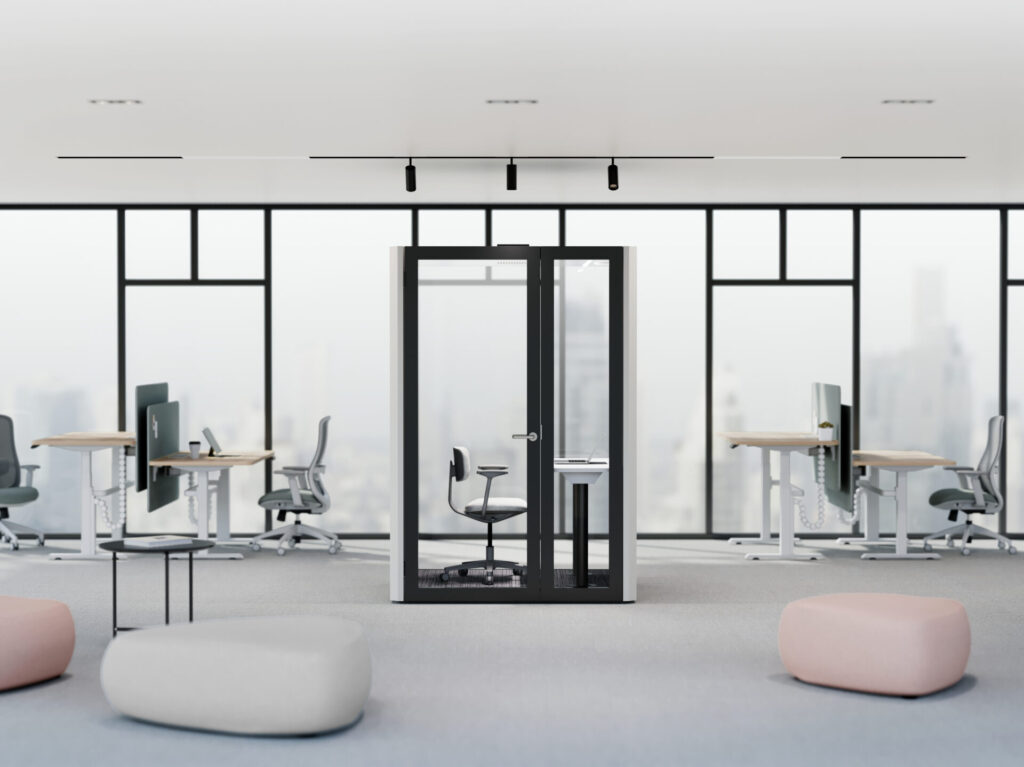
1. Human-Centric & Wellness-First Design
In the past, office design often started with aesthetics, brand image, or headcount. By 2026, however, the true starting point of workspace design must be people.
A human-centric and wellness-first approach focuses on how people work, what they need, and the limitations that affect their performance—while addressing both physical and mental well-being.
Key elements of a human-centric workspace include:
- Ergonomic furniture that supports posture, movement, and long-term health
- Optimized lighting, acoustics, and thermal comfort for sustained focus
- Biophilic design elements that reconnect people with nature and reduce stress
- Dedicated areas for rest, mental recovery, and informal interaction
At Rockworth, we believe that a well-designed workspace should adapt to people—not the other way around. When employees feel comfortable, focused, and energized, these conditions translate into sustained performance, work continuity, and measurable business outcomes.
2. AI-Integrated Workflows
By 2026, Artificial Intelligence will no longer serve merely as a supporting tool—it will become an integral part of modern office infrastructure. Its role will extend beyond software and back-end systems, directly shaping the physical workspace and the user experience.
We are already seeing AI integrated into workspace in multiple ways, including:
- Smart furniture and intelligent workstations that adapt to individual users
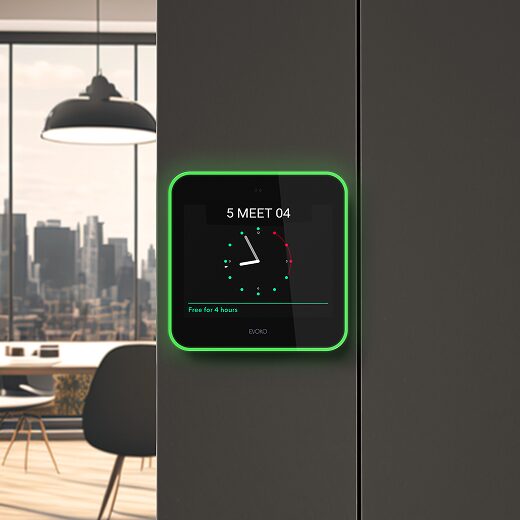
- AI-enabled meeting rooms that streamline scheduling, setup, and communication
- Workspace management systems that leverage real data to optimize space utilization
However, the real challenge is not simply adopting technology. It lies in designing spaces that are ready for technology from the outset—from infrastructure and connectivity to intuitive user experiences. When done right, AI operates seamlessly in the background, enhancing efficiency without adding complexity or burden to users.
3. Connected Ecosystem
The core challenge of today’s workplace is no longer about choosing a single work model, but about designing infrastructure that can support multiple ways of working simultaneously.
Whether teams are working fully on-site, in hybrid arrangements, or remotely based on roles and tasks, a connected ecosystem focuses on enabling seamless collaboration regardless of location.
Key components include:
- Secure and stable technology infrastructure that supports continuous communication and data access
- Collaborative and meeting spaces designed around real communication behaviors, supporting both formal and informal interactions
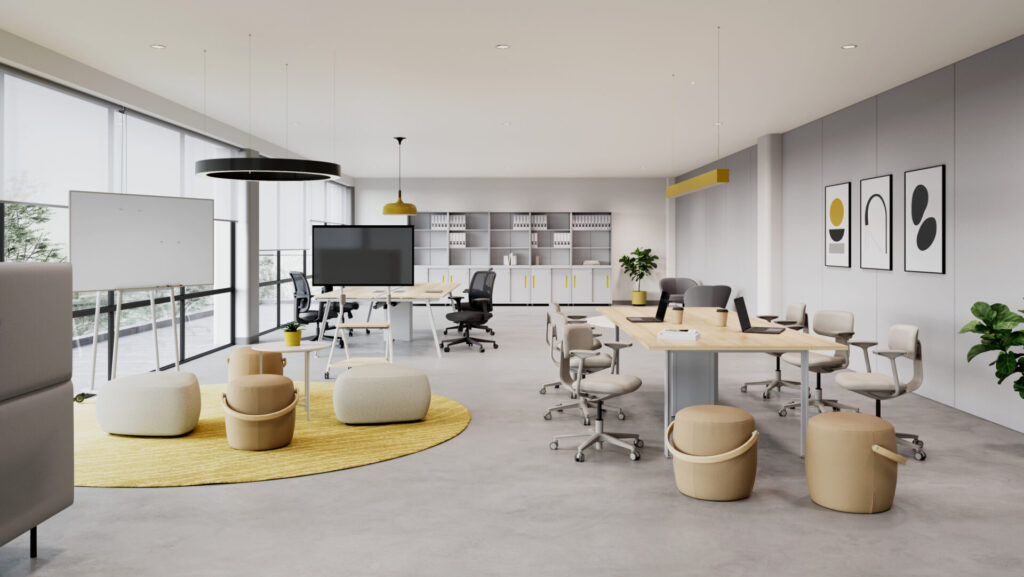
- Flexible workspaces that can be reconfigured to accommodate different activities, team sizes, and work modes
When these elements function together as a system, the workspace evolves beyond daily operations into a strategic platform—connecting people, reducing location-based limitations, and enabling fluid collaboration. Most importantly, this approach allows organizations to adapt quickly to changing business directions without the need for complete redesigns.
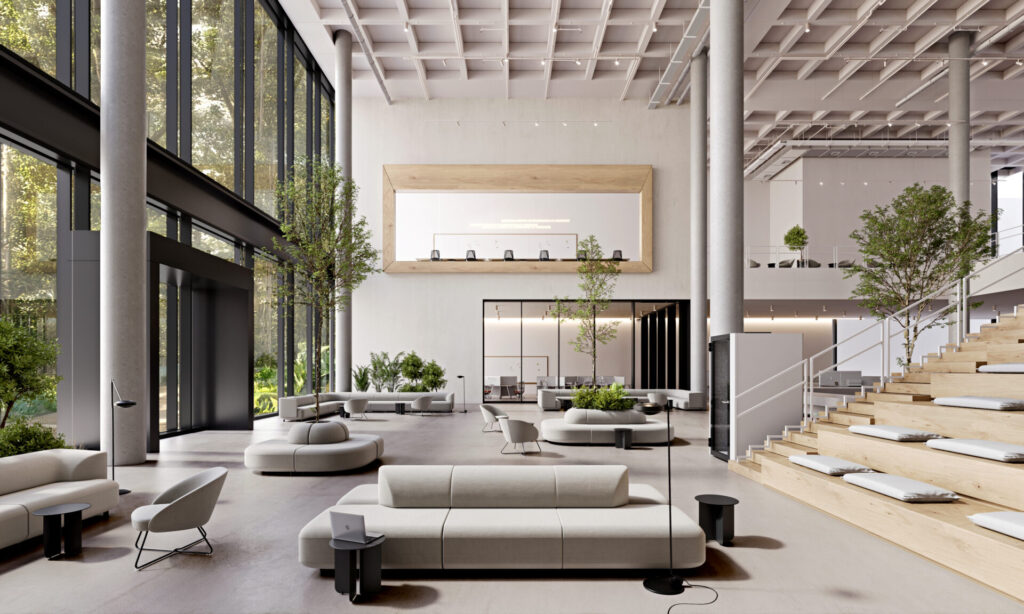
4. Values-Alignment Design
In 2026, the workspace will play a stronger role in expressing an organization’s identity. Values, culture, and business philosophy are increasingly communicated through space and experience—not just policies or branding materials.
This approach aligns workspace design with what the organization stands for, whether that is innovation, sustainability, or a people-first mindset. A clearly articulated workspace identity helps to:
- Create work experiences aligned with organizational values and brand positioning
- Strengthen employee pride and sense of belonging
- Communicate the organization’s story and purpose to clients and visitors
Rather than starting from design styles or trends, this approach begins with a fundamental question:
How should people feel when they enter this workspace?
In an era where talent and organizational culture are key competitive factors, the workspace is no longer a cost—it is a strategic investment that communicates vision and direction.
5. Employee-Driven Workplace Culture
By 2026, organizational culture will not be driven solely by policies or structures, but by the initiative and engagement of employees at every level.
In an employee-driven culture, people are not just executors of tasks—they actively shape direction, take ownership of their work, and continuously develop themselves to deliver better outcomes.
Within the workspace context, space plays a crucial enabling role. Environments that allow employees to choose how they work, reconfigure spaces, and collaborate flexibly foster a sense of ownership and participation. This, in turn, empowers employees to contribute in ways that align with both their roles and the organization’s goals.
The Workspace in 2026: More Than Space A Strategic Asset
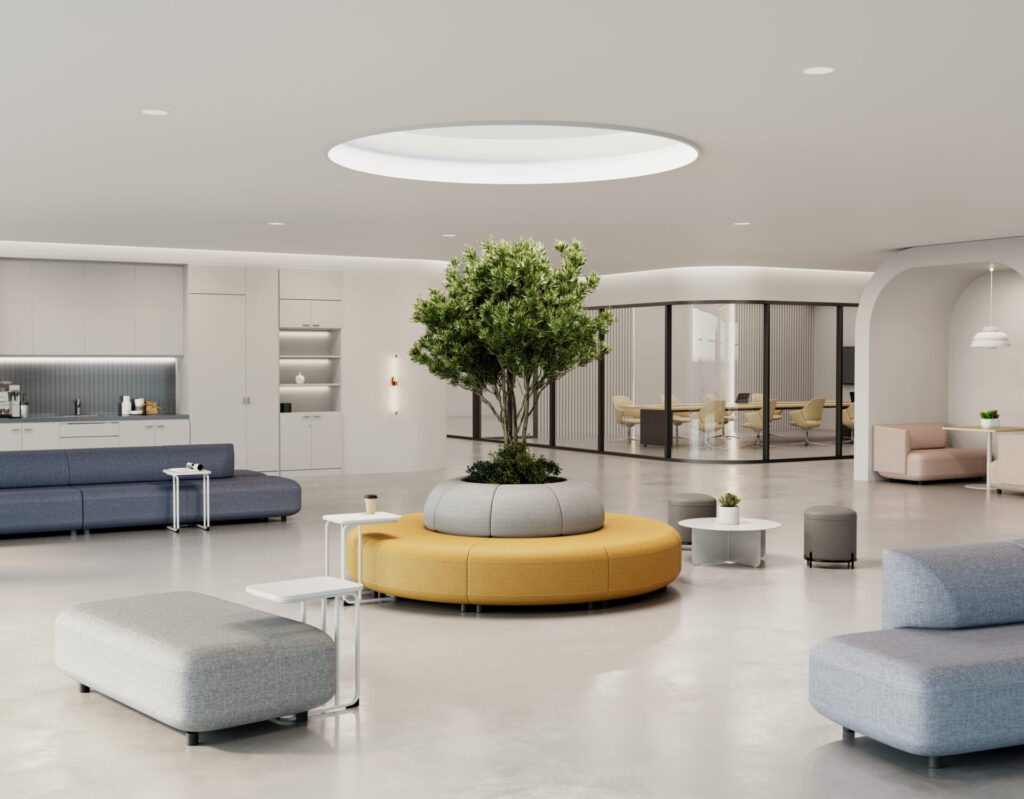
Looking at the bigger picture, it is clear that workplaces in 2026 are no longer evaluated by aesthetics alone. They are measured by their ability to adapt—across people, technology, and evolving work cultures.
At Rockworth, we see workspace planning and design as a process of building organizational foundations. Our work is grounded in deep understanding—of business objectives, user behaviors, and future work directions—to deliver solutions that are practical, flexible, and future-ready.
If your organization is planning, renovating, or rethinking its workspace, now is the right time to reconsider the role of space—not just for today’s operations, but for long-term resilience and growth.
📩 Contact Rockworth to consult on workspace solutions and develop a strategy that drives sustainable organizational performance.
Connect with Rockworth:
📱 Facebook: Rockworth
📲 LINE Official: @rockworth
📑 LinkedIn: Rockworth Thailand
