
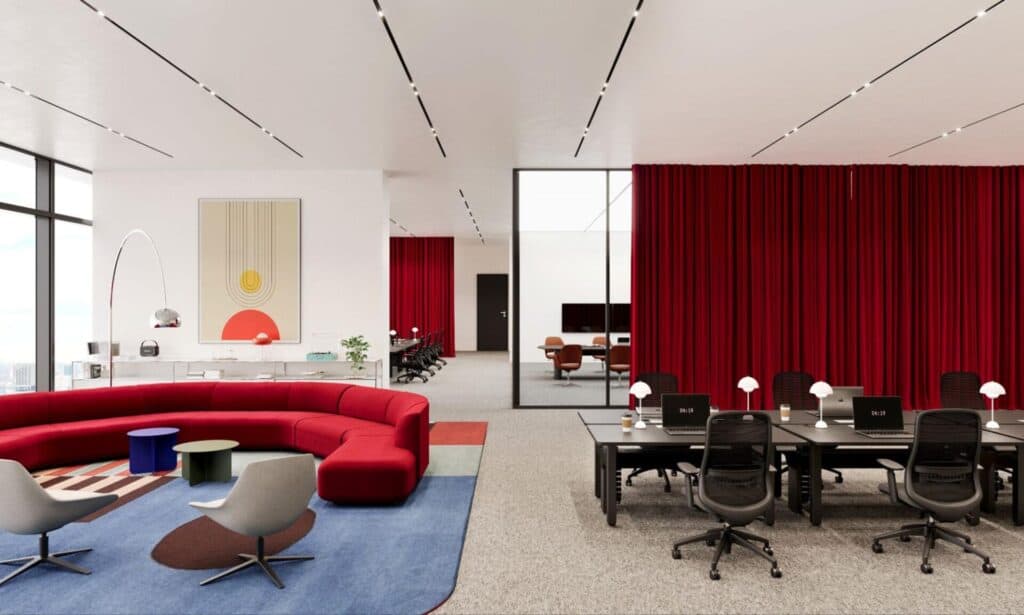
Over the past several years, the way organizations around the world structure work has undergone a fundamental shift. Driven by advances in technology, evolving employee expectations, and global events that accelerated the adoption of distributed work, businesses have had to move beyond the conventional office model toward something far more adaptive.
Hybrid working has emerged as a leading response — integrating in-office work with remote locations such as home or co-working spaces. The goal is not simply to offer flexibility as a perk, but to drive meaningful improvements in performance, organizational agility, and the long-term employee experience.
That said, transitioning to a hybrid work model is not simply a matter of updating your work-from-home policy. It demands deliberate preparation across multiple dimensions: workspace design, technology infrastructure, and organizational management practices. This article outlines the key concepts and practical considerations for implementing hybrid working in a way that truly works for your organization.
HIGHLIGHTS:
-
- Hybrid working is a blended work model that integrates in-office and remote work, offering the flexibility modern organizations need to keep pace with shifting workforce behavior.
- The benefits of hybrid working include more efficient use of space and time, reduced commute burden, greater organizational agility, and stronger employee performance.
- Key challenges to plan for include maintaining communication continuity, sustaining collaborative momentum, and preserving organizational culture when teams are not always co-located.
- A successful hybrid workplace requires thoughtful space design and furniture solutions that support a range of work modes — focused individual work, team collaboration, and formal meetings.
- Technology is the critical enabler of hybrid working, connecting people, workflows, and communication regardless of location.
What Is Hybrid Working?
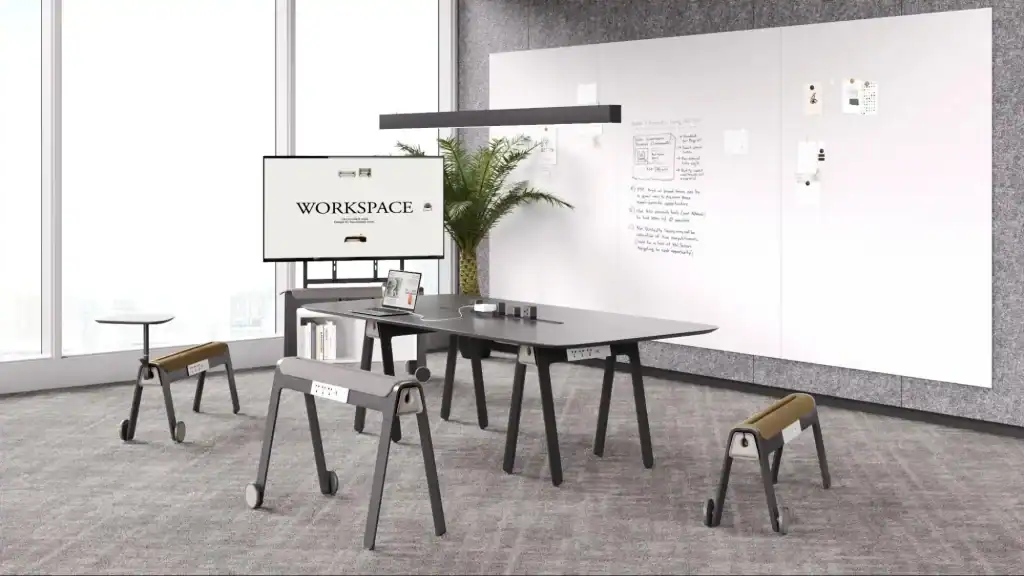
Hybrid working is more than a shift in where people sit — it is a deliberate integration of in-office and remote work designed to function seamlessly. At its core, hybrid working gives employees the autonomy to choose work settings that align with the nature of their tasks on any given day, while technology serves as the connective tissue that keeps communication and collaboration running smoothly across locations.
Rather than defining work by place, hybrid working defines it by purpose. The office becomes a destination for the work that benefits most from in-person presence — collaboration, mentoring, team culture — while remote settings support focused, individual output.
Why Are Modern Organizations Adopting Hybrid Working?
The behavioral shift among today’s workforce has made adaptation unavoidable. Employees increasingly prioritize flexibility and autonomy in managing their time — and this has a direct, measurable impact on satisfaction and performance.
When organizations empower people to choose environments where they can think deeply and work effectively, the quality of output rises. At the same time, leadership gains the opportunity to reduce the cost of real estate at scale, repositioning the office as a genuine collaboration hub rather than a mandatory daily destination.
Beyond productivity, flexible work policies have become a powerful lever for talent attraction and retention. They signal to high-caliber candidates that the organization values work-life balance and trusts its people — two qualities that have become non-negotiable for much of today’s workforce.
How Many Models of Hybrid Working Are There?
There is no single blueprint for hybrid working that fits every organization. Each company must identify the model that best aligns with its culture, business nature, and workforce needs. In practice, hybrid working takes four primary forms — each with distinct advantages and trade-offs worth evaluating carefully.
1. Fixed Hybrid
In the fixed hybrid model, the organization defines specific days for in-office work and remote work — for example, Tuesday and Thursday in the office, with the remaining days remote. This structure enables teams to coordinate meetings and collaborative activities systematically, while still preserving focused work time when needed.
Advantages:
- Clarity and predictability: Employees know their schedule in advance, making it easier to plan both work and personal commitments.
- Supports collaboration: Designated in-office days ensure the team has regular face-to-face time, strengthening communication and working relationships.
- Manageable space utilization: Consistent headcount on known days makes it easier to plan and optimize office capacity.
Limitations:
- Less individual flexibility: Employees have less autonomy over their work location compared to other models, which may not suit everyone’s needs.
- May not fit all roles: Positions that are naturally location-independent may feel unnecessarily constrained.
2. Flexible Hybrid
The flexible hybrid model allows employees to choose their work location based on what works best for the task at hand and their schedule. The organization may set only broad parameters — such as a minimum number of in-office days per week — rather than a fixed schedule.
Advantages:
- Maximum flexibility: Employees have the freedom to align their environment with their work and personal needs, driving higher satisfaction and work-life balance.
- Attracts top talent: This model is highly sought after by modern workers, giving organizations a competitive edge in recruitment and retention.
- Resilient by design: Organizations can adapt quickly to unexpected circumstances without restructuring their work policy.
Limitations:
- More complex to manage: Organizations need robust systems and tools to coordinate work across variable schedules and locations.
- Culture-building requires more intention: Less frequent co-location means that building team cohesion and organizational culture demands a more deliberate approach.
3. Remote-First
The remote-first model treats distributed work as the default. Most employees work from home or another location of their choosing, with in-office time reserved for specific occasions such as team meetings, workshops, or key organizational events.
Advantages:
- Access to global talent: Geographic boundaries no longer limit hiring, opening the organization to the best candidates from anywhere in the world.
- Significant cost savings: Reducing or rightsizing office space can generate substantial reductions in real estate expenditure.
- Maximum autonomy for employees: People can work from wherever they perform best.
Limitations:
- Communication and collaboration challenges: Predominantly asynchronous interaction can lead to gaps in context and reduce the richness of team exchange.
- Risk of isolation: Some employees may feel disconnected from colleagues and from the organization’s sense of community.
- Culture demands more investment: Building a strong, cohesive culture requires different strategies and more deliberate effort when teams rarely gather in person.
4. Office-First Hybrid
The office-first hybrid model retains the office as the primary workplace. Most employees are expected to be in the office regularly, with limited flexibility to work remotely on occasion. This model suits organizations that depend on close collaboration while still wanting to offer some degree of adaptive flexibility.
Advantages:
- Easier to maintain culture: The regular presence of most employees in a shared environment makes it more natural to reinforce organizational values and identity.
- Rich, in-person collaboration: Frequent face-to-face interaction reduces misunderstandings and enhances team effectiveness.
- Access to physical resources: Employees can readily use specialized equipment, infrastructure, or materials that reside in the office.
Limitations:
- Limited flexibility: Employees receive less autonomy compared to other hybrid models, which may not meet the expectations of those seeking greater work-life balance.
- Higher occupancy costs: The organization continues to carry the full cost of a large office footprint.
- Reduced competitiveness for remote-preferring talent: Organizations may miss strong candidates who have come to expect a more flexible arrangement.
What Are the Benefits of Hybrid Working?
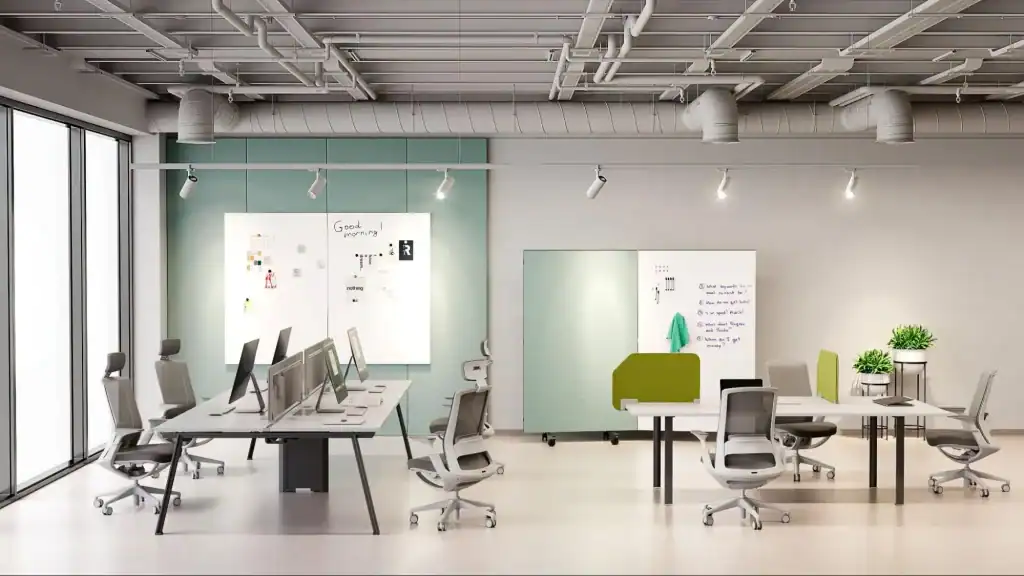
The shift to a blended work model is not a passing trend — it represents a structural transformation that generates measurable, tangible value for both organizations and employees. When the constraint of a fixed location is removed, the capacity to perform and create is amplified. Here is the value hybrid working delivers:
- Greater flexibility in how and where work gets done, aligned to the demands of each task
- Improved focus and performance by reducing the friction of a one-size-fits-all environment
- Reduced commute time and transportation costs for employees
- Stronger work-life balance, supporting employee well-being and long-term engagement
- More efficient use of office real estate, with meaningful cost reduction potential
- A more compelling value proposition for recruiting and retaining top-tier talent
- Higher levels of job satisfaction and intrinsic motivation across the workforce
- Seamless collaboration across locations through well-designed digital tools and communication platforms
Limitations of Hybrid Working That Organizations Should Know
The advantages of flexible working are significant — but without thoughtful planning and the right enablers, hybrid models can introduce friction of their own. Leaders and managers must be prepared to maintain performance standards and team cohesion across physical distance. Common challenges include:
- Communication continuity may be harder to sustain than in a fully co-located environment
- Misunderstandings can arise more easily in asynchronous or digital-only exchanges
- Tracking and evaluating work requires more intentional processes and clear frameworks
- Team cohesion and organizational connection can weaken when people do not gather regularly
- Scheduling alignment becomes more complex, especially for teams operating across different time zones or working patterns
- Reliable technology and stable internet access become mission-critical dependencies
- Some roles or functions may not be well-suited to hybrid arrangements
- The boundary between work time and personal time may become blurred, increasing the risk of burnout
How Is Hybrid Working Different from Work from Home?
Hybrid working and Work from Home (WFH) share a common thread — both offer flexibility beyond the traditional office setting. However, their approaches differ in meaningful ways. Hybrid working integrates in-office and remote work as equal and complementary modes, while WFH focuses primarily on home as the work location.
|
Hybrid Working | Work from Home (WFH) | |
| Definition | A blended model combining in-office and remote work on an ongoing basis | Primarily working from home, with little to no expectation of regular office presence | |
| Work Location | Rotates between office, home, and alternative settings | Home is the primary and default location | |
| Team Interaction | Regular in-person touchpoints at the office, supplemented by digital connection | Team interaction is predominantly virtual | |
| Communication Style | A mix of face-to-face and digital communication | Primarily digital and asynchronous | |
| Best Suited For | Roles requiring both collaborative and focused work modes | Roles that are largely independent and do not require physical office resources | |
| Organizational Management | Requires scheduling systems, space planning, and collaboration coordination | Requires strong remote management practices, communication tools, and performance tracking |
How Should Organizations Prepare for Hybrid Working?
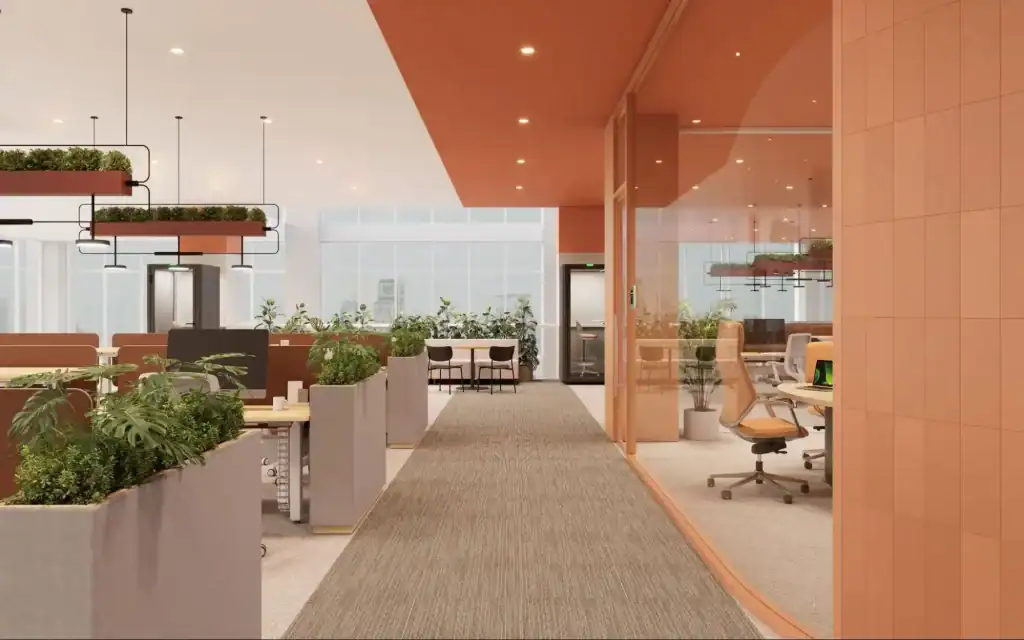
An effective transition to hybrid working requires more than updated policies. Organizations need to invest across three core dimensions.
1. Workspace Design
The office’s role changes in a hybrid environment — it must earn its place. Rather than a mandatory default, it becomes a destination that people choose because it enables the work they cannot do as well elsewhere. This calls for a deliberate reimagining of space.
Effective hybrid workplaces offer a range of settings: quiet zones for focused individual work, open collaborative areas for team sessions, formal meeting rooms with video conferencing capability, and informal social spaces that reinforce culture and connection. The design should support movement between modes, not lock people into a single way of working.
Furniture plays a central role in this transformation. Pieces that reconfigure easily, support acoustic privacy, integrate technology, and accommodate varied postures and tasks allow the space to flex with the team — not the other way around.
2. Technology Infrastructure
Technology is the backbone of hybrid working. Video conferencing systems, project management platforms, cloud-based document collaboration, and communication tools must work reliably and intuitively — for both in-office and remote participants equally. The measure of success is parity: the remote employee should experience the meeting with the same quality as the person in the room.
3. Management Practices
Leadership and management behaviors must evolve. In a hybrid environment, performance is measured by outcomes rather than presence. Managers need to develop new skills in remote coaching, asynchronous communication, and inclusive team culture — ensuring that distance never becomes a barrier to belonging or advancement.
Clear expectations, consistent communication rhythms, and intentional rituals for team connection are the foundations on which a sustainable hybrid culture is built.
Hybrid Working: A Flexible Work Trend Organizations Must Be Ready For
Hybrid working is not an experiment — it is now a defining feature of how modern organizations operate. For organizations that get it right, it’s a real competitive advantage: attracting top talent, optimizing real estate investment, and building a workforce that is engaged, productive, and resilient.
The organizations that will thrive in this environment are those that treat hybrid working not as a compromise but as an intentional model — one designed, equipped, and led with the same rigor as any other strategic initiative.
Success in hybrid working begins with the spaces people inhabit. When the office is purposefully designed for the work that requires it, and people are equipped to do their best work wherever they are, the model delivers on its full potential.
For further information, please contact us through the following channels:
-
- LINE: @rockworth
-
- Facebook: Rockworth
-
- Tel. 02-123-8888
Frequently Asked Questions
What is hybrid working? Hybrid working is a flexible work model that combines in-office work with remote work — from home, co-working spaces, or other locations — giving employees greater autonomy while maintaining organizational connection and collaboration.
What are the main benefits of hybrid working for organizations? Key benefits include optimized real estate costs, improved talent attraction and retention, higher employee satisfaction, greater organizational agility, and access to a broader talent pool unconstrained by geography.
What are the biggest challenges of hybrid working? Common challenges include maintaining team communication and cohesion, managing performance across distributed settings, sustaining organizational culture, and ensuring equitable experiences for both in-office and remote employees.
How is hybrid working different from fully remote work? Hybrid working maintains a meaningful role for the office as a space for collaboration, culture, and connection. Fully remote work eliminates or minimizes in-person presence entirely, with all interaction occurring digitally.
How should an organization start transitioning to hybrid working? Start by defining the model that fits your organization’s culture and needs, then invest in three areas: purposeful workspace design, robust technology infrastructure, and updated management practices that prioritize outcomes over presence.
