
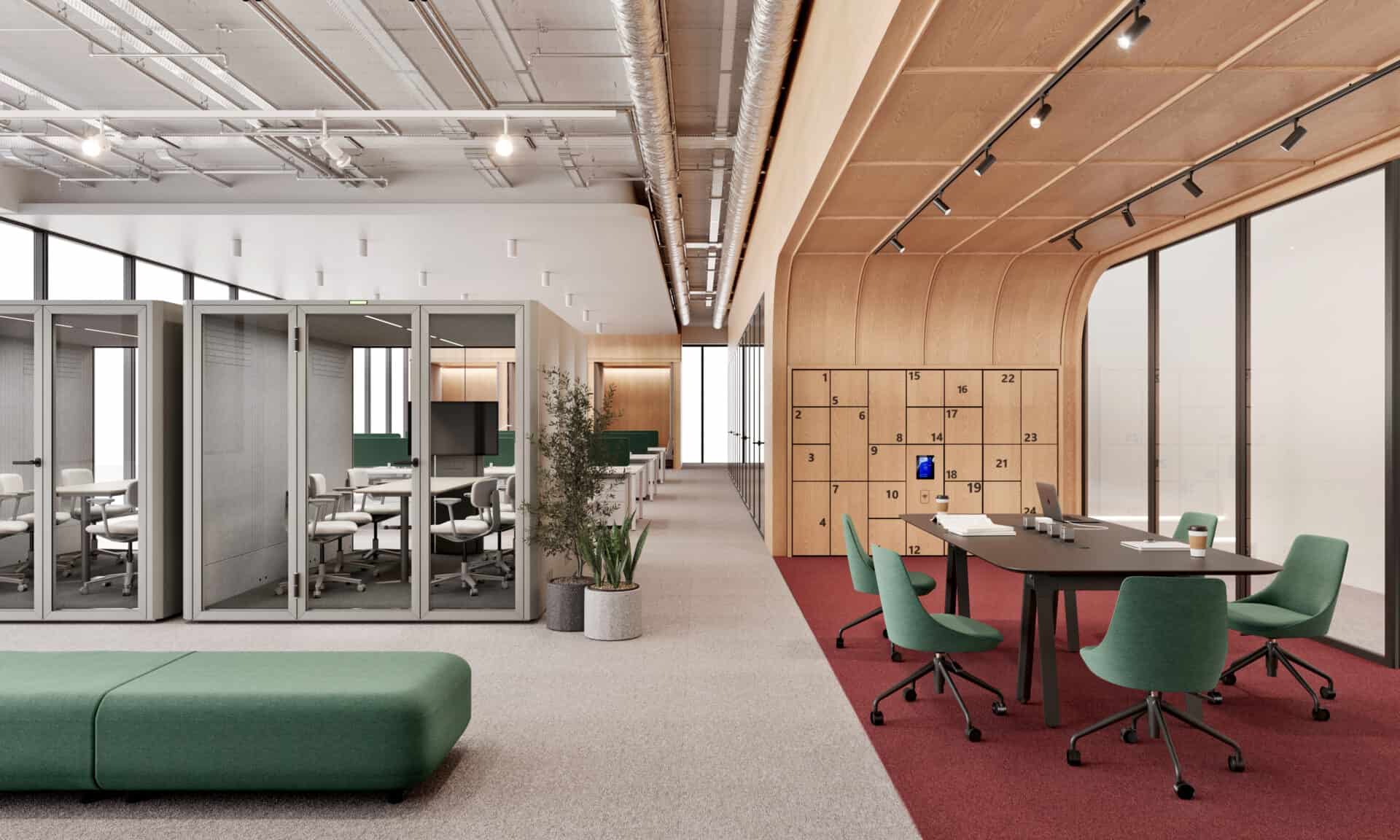
Human-Centered Workplace Design is an office design philosophy that starts with understanding employee behavior, experiences, and work styles, aiming for both work flexibility and an environment that supports work efficiency. Many organizations are now prioritizing the design of spaces that fully unleash people's potential, elevating both employee experience and office space utilization. This concept has become a vital approach for modern office design.
This article will explain the key principles and guidelines that organizations can adopt to achieve sustainable business results. Many organizations are shifting their perspective from "office design" to designing the human experience in the workplace.
The concept of Human-Centered Workplace Design has thus become central to strategic planning for modern organizations.
What is Human-Centered Workplace Design?
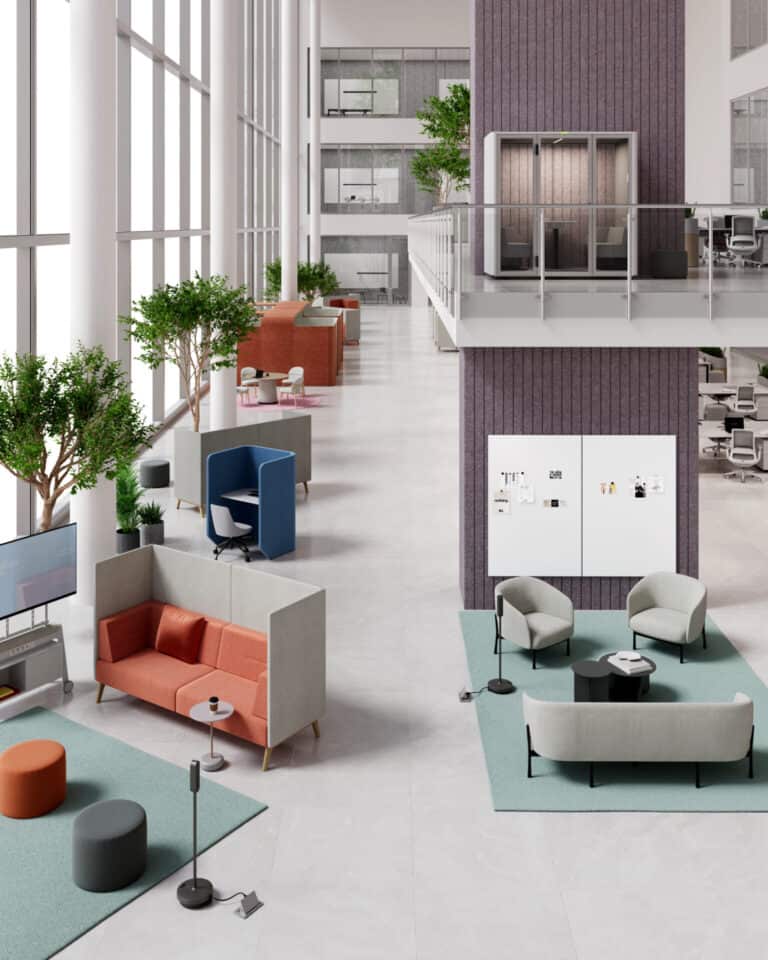
Human-Centered Workplace Design is an approach that prioritizes the needs and behaviors of real users rather than being driven solely by spatial constraints or traditional office layouts.
The goal is to create environments that support different work modes throughout the day while enhancing both productivity and employee experience.
This approach recognizes that employees do not work in the same way all day. Therefore, a one-size-fits-all office environment is no longer sufficient for today's dynamic workplace.
Key Principles of Human-Centered Workplace Design
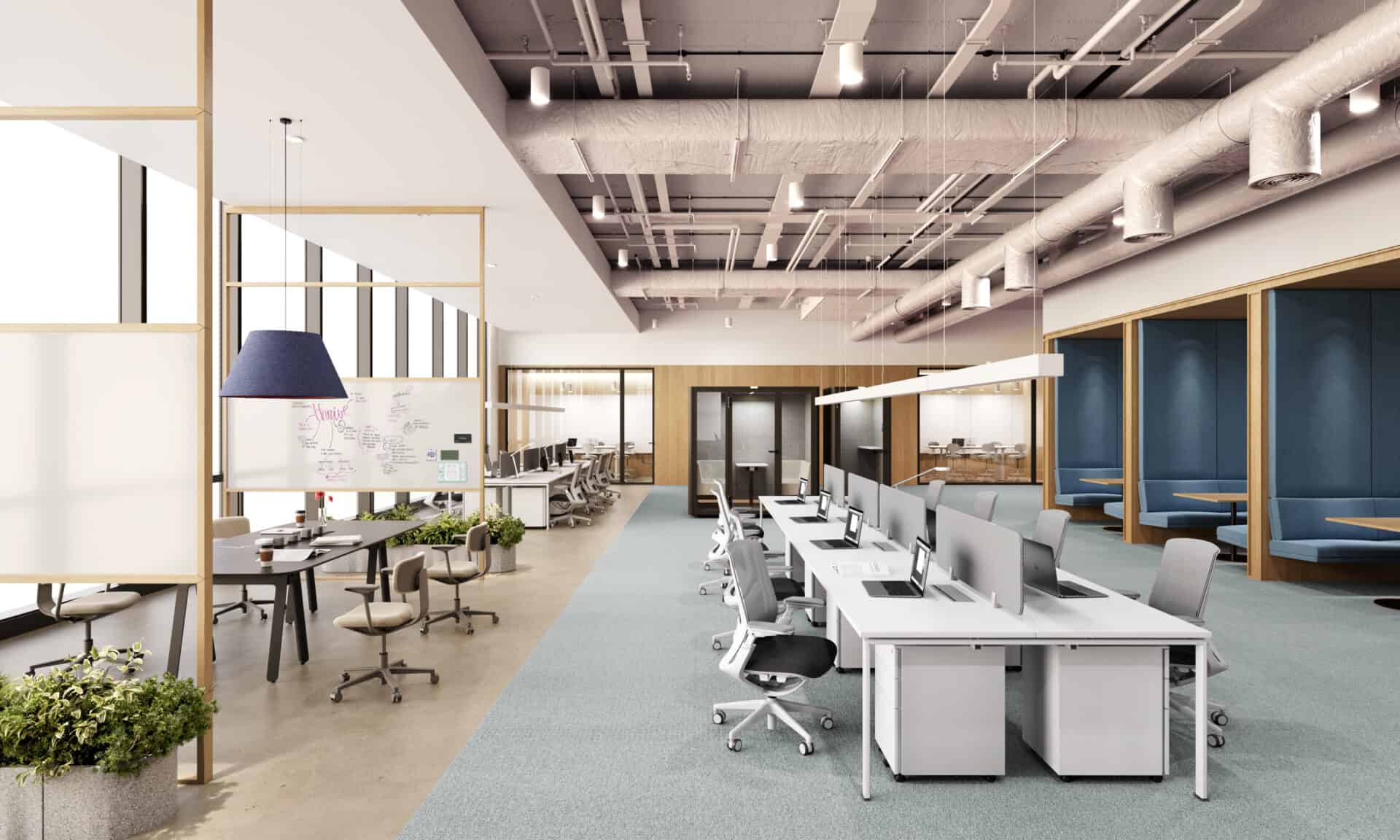
Modern workplace design aims to create environments that support performance, well-being, and employee satisfaction.
At Rockworth, we embrace a people-centric design philosophy built around the following key principles:
Start with Understanding Real Work Behaviors
Highly effective workplaces begin with understanding how different teams actually work. Space allocation should align with specific work requirements to help employees perform at their best.
For teams that require deep focus and confidentiality, such as accounting or legal departments, dedicated workstations with partitions and accessible storage solutions can enhance privacy and efficiency.
Meanwhile, marketing and product development teams often thrive in collaborative environments. Flexible workspaces and collaboration-oriented desks encourage idea sharing, communication, and teamwork.
Hot-desking solutions are particularly suitable for sales teams, mobile employees, and organizations adopting hybrid work models. This approach helps optimize space utilization while reducing unnecessary furniture investments.
For employees who spend long hours working with specialized equipment—such as graphic designers and software developers—height-adjustable desks and ergonomic seating allow seamless transitions between sitting and standing positions throughout the day. Supporting accessories such as monitor arms and cable management systems further improve comfort, organization, and safety.
Prioritize Employee Well-Being
Physical workplace conditions directly affect employees' physical health, mental well-being, and overall performance. Human-centered design therefore places strong emphasis on comfort and quality of life.
One essential consideration is ergonomics. Ergonomic furniture, including adjustable chairs and sit-stand desks, helps reduce the risk of office syndrome, minimizes fatigue, and supports healthier work habits.
In addition, several environmental factors contribute significantly to employee well-being and workplace performance:
Natural Light and Adequate Illumination
Natural light improves mood, stimulates creativity, reduces stress, and enhances alertness. When daylight is insufficient, artificial lighting should meet recommended standards to provide visual comfort and support productivity.
Noise Control
Excessive noise negatively affects concentration and long-term well-being. Acoustic solutions such as Privacy Pods and sound-insulated partitions help create environments that support focused work and reduce distractions.
Comfortable Temperature
Maintaining appropriate indoor temperatures contributes to employee comfort and sustained concentration. Spaces that are too hot or too cold can negatively impact physical comfort and cognitive performance.
Investing in people-centered workplace design goes beyond purchasing furniture. It creates a strong foundation for attracting and retaining talent, fostering innovation, and enabling sustainable business growth.
How Workplace Design Impacts Business Outcomes
Human-centered workplace design is more than an environmental upgrade—it improves the overall quality of work by aligning physical spaces with actual user behaviors.
When workplace environments support the way people work, organizations experience long-term operational benefits. In hybrid work settings, thoughtfully designed offices also encourage employees to return to the workplace and maximize space utilization.
Conversely, workplaces that fail to align with employee needs often experience inefficient space usage, burnout, reduced concentration, and ineffective collaboration.
Four Key Benefits Organizations Can Achieve
1. Improved Productivity
Employees can work more efficiently when unnecessary obstacles and distractions are minimized. Supportive environments enable people to perform at their full potential.
2. Better Employee Well-Being and Satisfaction
When employees feel physically comfortable and psychologically supported, they are better equipped to think clearly, collaborate effectively, and maintain high levels of engagement.
3. Stronger Talent Attraction and Retention
Employees who feel valued and supported are more likely to remain engaged with the organization. Human-centered workplaces help strengthen employee loyalty and reduce disengagement.
4. Enhanced Space Utilization
Designing spaces based on actual usage patterns allows organizations to maximize office efficiency, reduce underutilized areas, and adapt more easily to future changes.
From Rockworth's experience, organizations that optimize workplaces according to user behavior often achieve significantly higher space utilization rates while reducing wasted space.
Rockworth and Modern Workplace Development for Organizations

Rockworth has experience in office design and workplace development for organizations across various industries. We focus on Human-Centered Workplace Design to systematically connect "people's behavior, space, and technology."
Our approach begins with in-depth data analysis to develop workplace design strategies that align with both work styles and the business goals of the organization.
Frequently Asked Questions
How does Human-Centered Workplace Design differ from traditional office design?
Traditional office design often starts with space limitations or the number of desks, while this concept begins by analyzing employee work behaviors and needs to make the space more efficient for work.
What type of organization is suitable for Human-Centered Workplace Design?
Organizations with hybrid work models, companies seeking better space efficiency, and businesses prioritizing employee experience can all benefit from this approach.
Is it necessary to adjust the entire office space?
Not necessarily. Organizations can start with high-traffic areas or spaces experiencing operational challenges, evaluate results, and gradually expand improvements over time.
Start Creating a Human-Centered Workplace
If your organization is looking to enhance both workplace performance and employee experience, Rockworth is ready to provide strategic consultation.
We help organizations analyze existing workplace usage and develop Human-Centered Workplace solutions tailored to their unique business context.
Contact Rockworth
Facebook: Rockworth
Line Official: @rockworth
LinkedIn: Rockworth Thailand
